
May is National Masturbation Month-and yes, that’s real. It started in 1995 by sex educator Wendy Maltz to break the silence around self-pleasure. For decades, masturbation has been shrouded in shame, misinformation, and taboo. But science, therapy, and everyday experience all agree: it’s a normal, healthy part of human sexuality. If you’ve ever felt guilty about it, wondered if it’s ‘too much,’ or just never talked about it openly, this is for you.
Some people turn to professional companionship for connection or exploration, like those who seek a vip escort london experience. While that’s a different kind of intimacy, it’s worth noting that both self-pleasure and consensual adult services exist on the same spectrum: human needs for touch, release, and autonomy. Neither is inherently better or worse-just different choices.
What Actually Happens When You Masturbate?
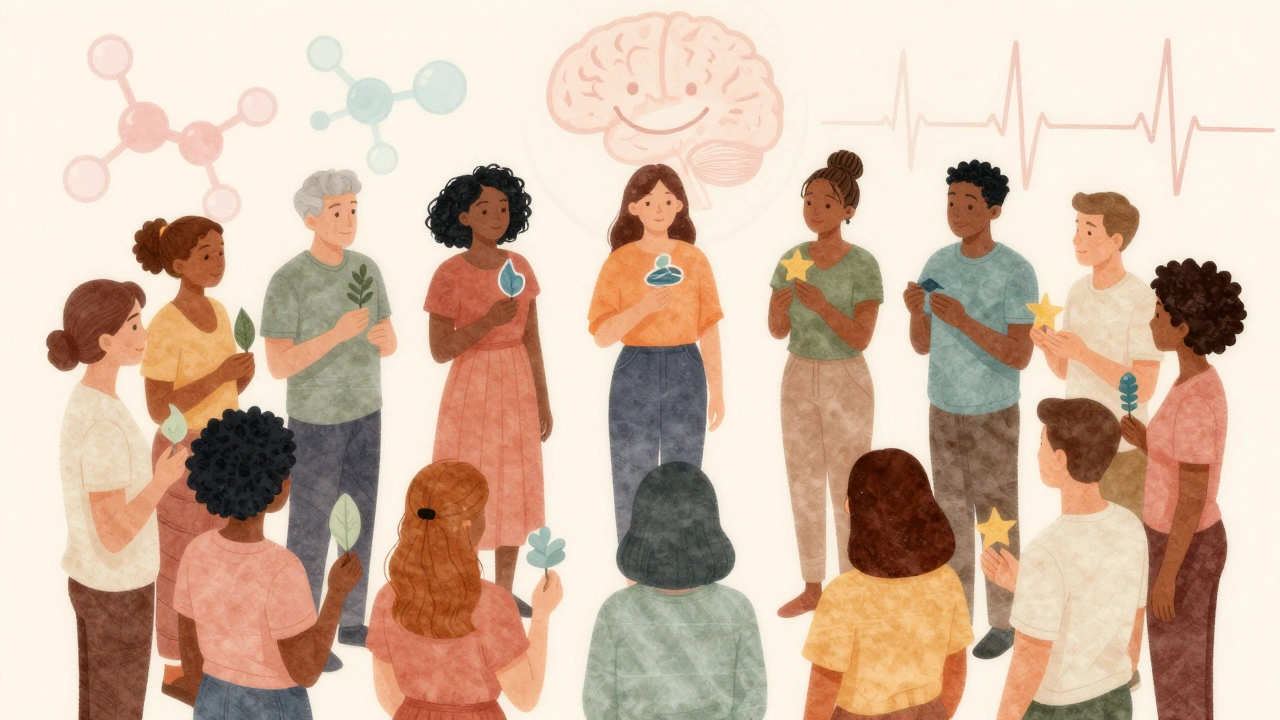
Your body isn’t just reacting-it’s healing. Masturbation triggers the release of dopamine, oxytocin, and endorphins. These aren’t just ‘feel-good’ chemicals; they reduce stress, improve sleep, and even ease physical pain. A 2020 study in the Journal of Sexual Medicine found that men who masturbated regularly reported lower levels of prostate-specific antigen (PSA), a marker linked to prostate health. For women, regular self-stimulation can improve pelvic floor strength and reduce menstrual cramps.
It’s not about frequency. There’s no ‘right’ number of times per week. What matters is whether it feels good, doesn’t interfere with your life, and doesn’t come with guilt. If you’re skipping work, avoiding friends, or feeling anxious afterward, that’s a sign to pause and reflect-not to stop entirely.
Why the Shame Still Exists
Religious guilt, outdated sex education, and pop culture jokes have kept masturbation in the shadows. You grew up hearing it’s ‘dirty,’ ‘weak,’ or ‘for people who can’t get real partners.’ None of that is true. The World Health Organization classifies masturbation as a normal sexual behavior. The American Psychological Association says it’s a healthy way to explore your body and desires.
Even in 2025, surveys show that over 70% of adults in the UK have masturbated in the past year. Yet only 1 in 5 feel comfortable talking about it with a partner. That gap between practice and openness is where the real problem lies.
How to Make It Part of Your Self-Care Routine
Think of masturbation like brushing your teeth or taking a walk-it’s personal hygiene for your nervous system. Here’s how to make it intentional:
- Set aside time when you won’t be interrupted
- Use lubricant if needed-water-based is safest for most skin types
- Try different techniques. Your body changes over time; what worked at 20 might not feel right at 35
- Use mirrors, fantasy, or erotica if it helps you connect with your desires
- Don’t rush. Let it be about pleasure, not performance
Some people find that using vibrators or other toys enhances their experience. There’s no shame in that. In fact, the market for adult toys in the UK grew by 22% between 2022 and 2024. People aren’t just buying them-they’re talking about them.
When It Becomes a Problem
Most people worry they masturbate too much. But compulsive behavior looks different than frequent activity. If you’re:
- Unable to stop despite wanting to
- Using it to escape emotions like anxiety or loneliness
- Experiencing physical pain or injury
- Letting it replace real relationships or responsibilities
Then it’s time to talk to a therapist. Not because masturbation is bad-but because something deeper might be going on. A sex therapist can help you untangle habits from needs.
Talking About It With Your Partner
One of the most common reasons couples drift apart sexually is unspoken expectations. If you’ve never told your partner how you like to be touched, you can’t expect them to guess. Masturbation is a great starting point for that conversation.
Try saying: ‘I’ve been exploring what feels good for me, and I’d love to share it with you.’ Or: ‘I noticed I feel more relaxed after I take time for myself-would you be open to that?’
Many partners are relieved to hear it. Studies show couples who discuss mutual pleasure report higher satisfaction than those who don’t. You’re not weird for wanting to talk about it-you’re wise.
Myths That Still Need to Die
Let’s clear up a few persistent lies:
- Myth: Masturbation causes blindness or infertility. Truth: Zero scientific evidence. Your eyes and sperm are fine.
- Myth: Only single people do it. Truth: 85% of partnered adults in the UK masturbate regularly, according to a 2024 YouGov poll.
- Myth: It’s a substitute for real sex. Truth: It’s often a complement. Many people masturbate before, after, or alongside partnered sex.
- Myth: Men do it more than women. Truth: The gap is closing fast. In 2025, 68% of women aged 18-35 report masturbating weekly.
And yes, people of all genders, orientations, and ages do it. From teens to retirees. From celibate monks to polyamorous triads. It’s not about who you are-it’s about what your body needs.
Why This Month Matters
National Masturbation Month isn’t about pushing people to do it. It’s about giving permission to those who already do-and removing the stigma for those who haven’t dared to admit it.
Imagine a world where kids learn about their bodies without shame. Where partners communicate openly instead of guessing. Where therapy includes discussing pleasure, not just avoiding pain.
That world starts with conversations like this one.
And if you’re looking for a way to explore intimacy beyond solo play, some people find value in services like the london vip escort experience-though it’s important to remember that professional companionship is a paid service, not a replacement for emotional connection. Both can coexist, but they serve different purposes.
For those seeking a discreet, high-end option, the best london escort agency offers tailored experiences-but again, that’s a separate conversation from personal self-care. Don’t confuse the two. One is about autonomy. The other is about transactional intimacy. Both deserve respect, but they’re not interchangeable.
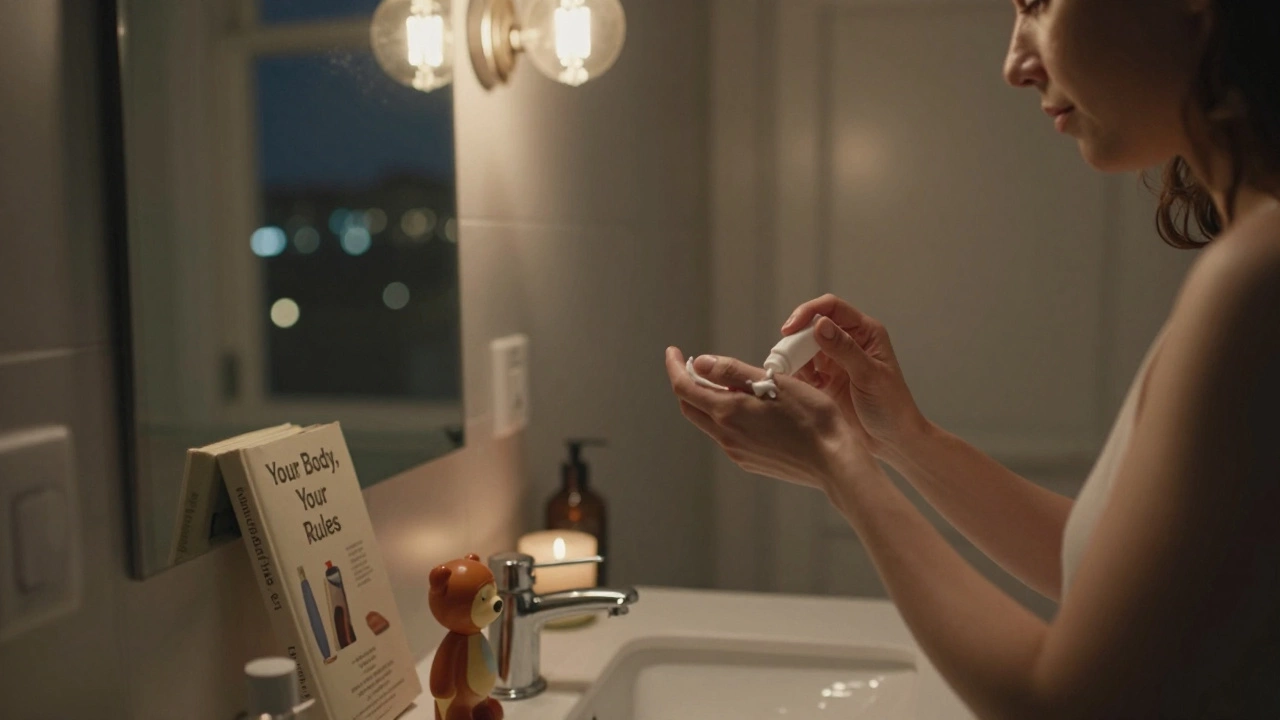
Final Thought: Your Body Belongs to You
No one else gets to decide what’s normal for you. Not your parents. Not your religion. Not your partner. Not your therapist. Not the internet.
If you want to explore your body, do it safely. If you want to talk about it, find someone you trust. If you want to stay quiet-that’s okay too.
May is just a reminder: your pleasure matters. Not because it’s sexy or scandalous. But because you’re human.



Write a comment